Rock Island Coaches History
Standard Steel Car Company Built 1925-1926
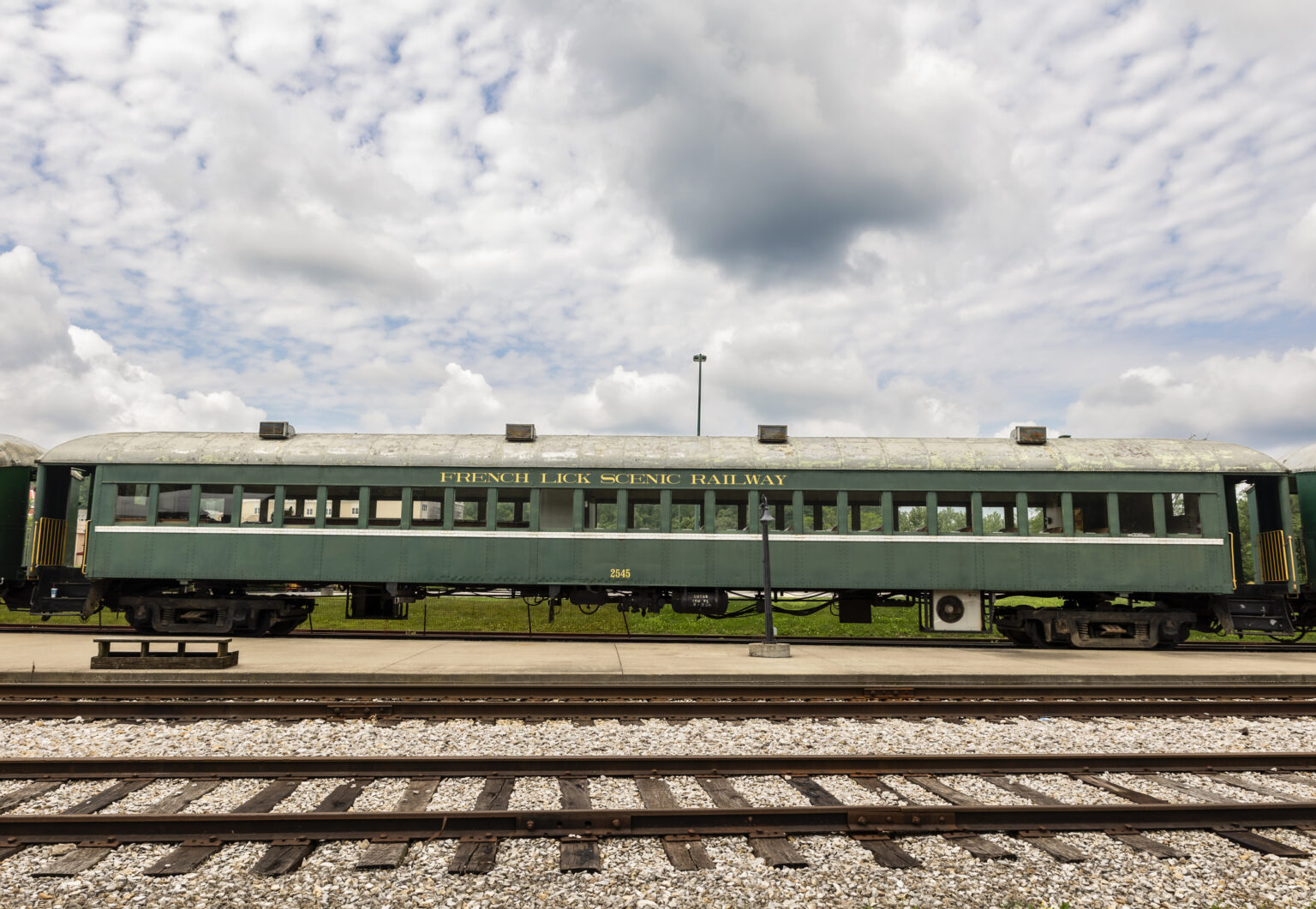
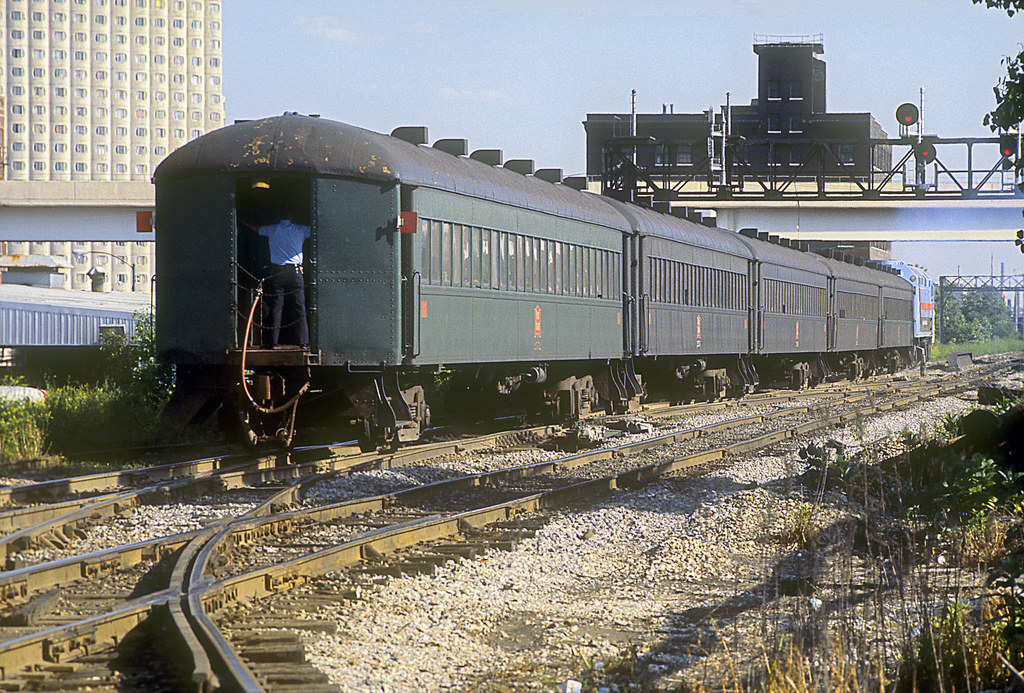
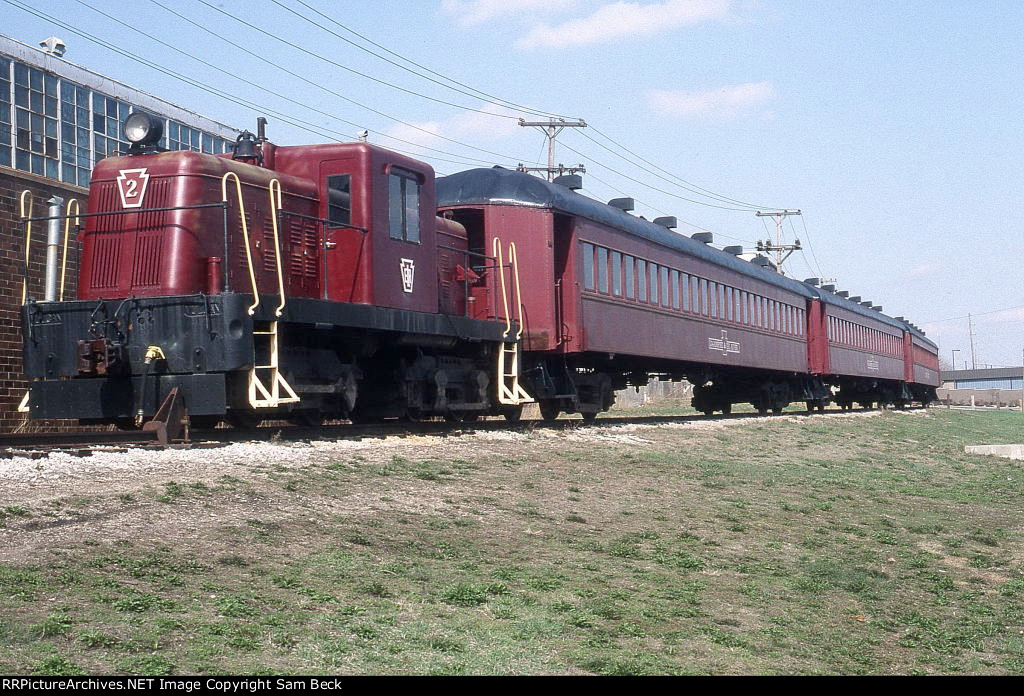
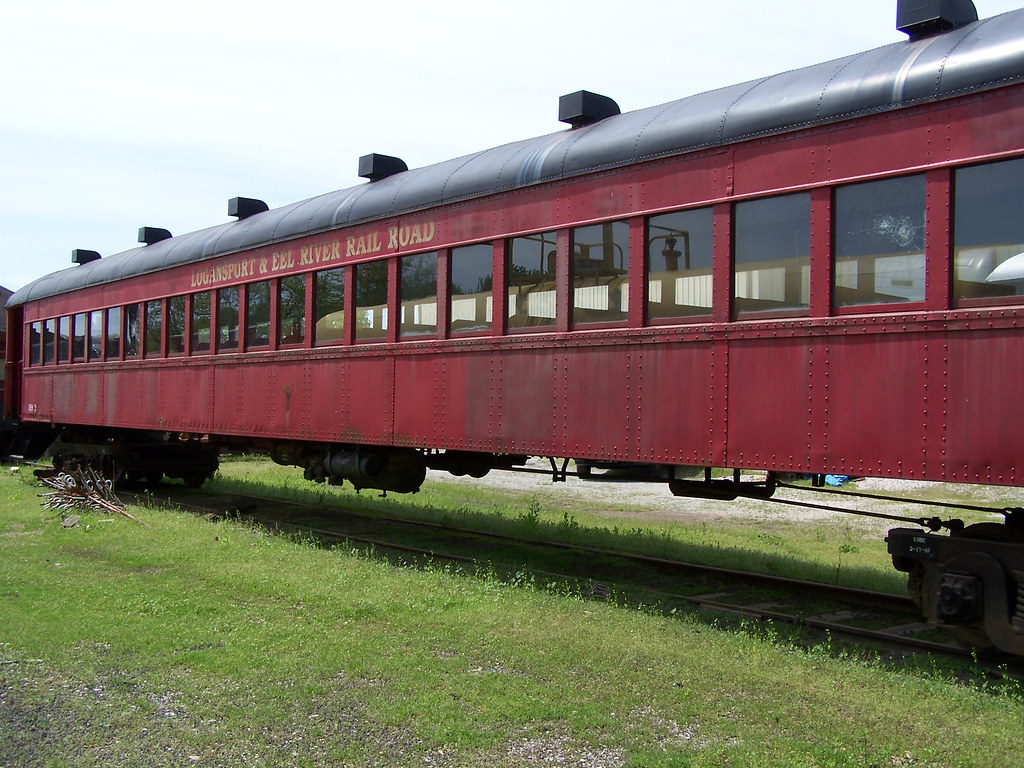
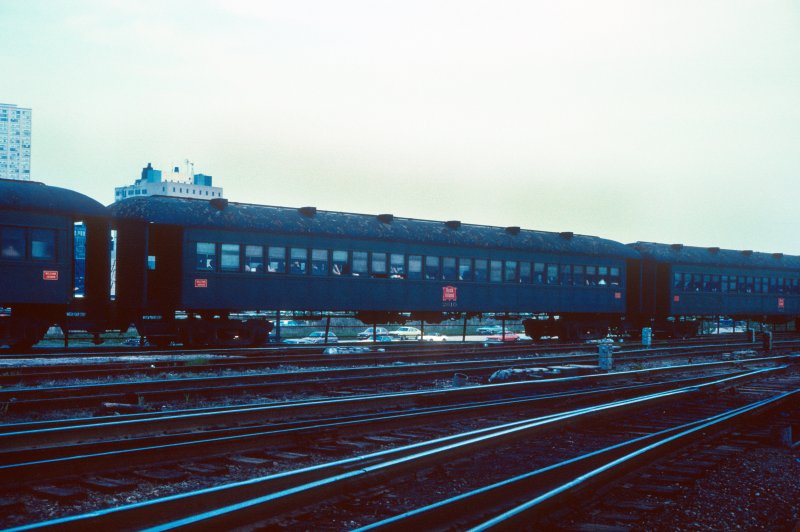
Coaches 2505, 2511, 2522, and 2545 were some of the 50 cars built by the Standard Steel Car Company in 1925, Cars 2556 and 2557 were built in 1926 in another 50 car set. These coaches were built for the Rock Island Line for commuter service in the Chicago area. This style of coach was used throughout the Capone era (1925-1931) earning them the nickname “Capone cars”or Capone coaches”. These coaches were being retired in the 1970s, cars 2505, 2522 and 2511 went to the Logansport and Eel River Railroad to be used on their Iron Horse steam festival before coming to French Lick. 2556, 2545 and 2557 are some of the original passenger cars the Indiana Railway Museum used for tourist train operations and have been here ever since. With these cars being nearly 100 years old and needing plenty of restoration work they have been put out of service by IRM and their future is currently undecided.
“Indianapolis” 500 Private Car History
Pullman Company built 1913
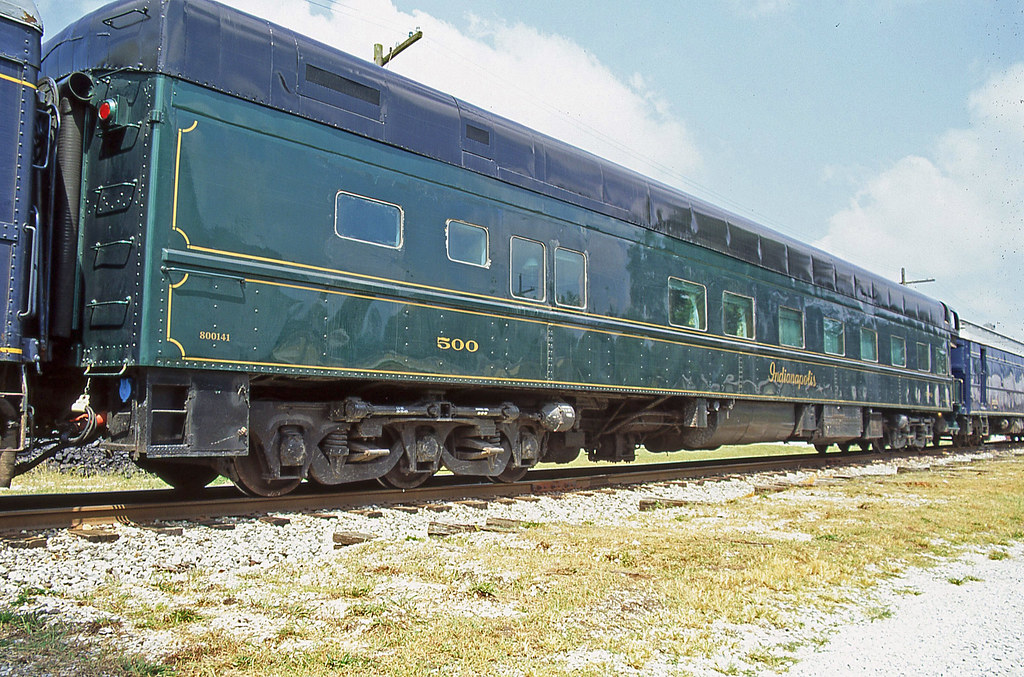
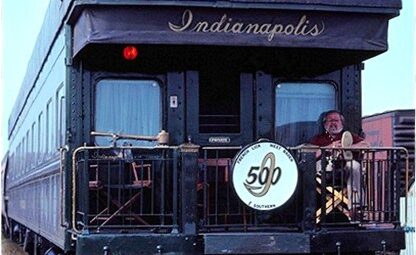
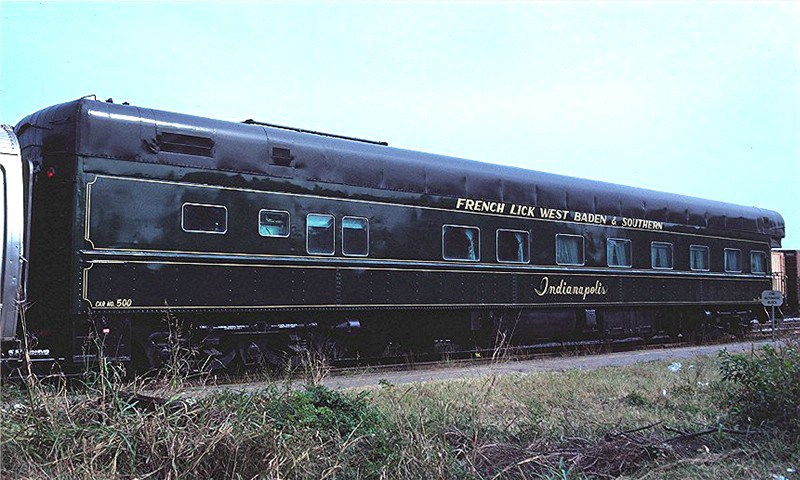
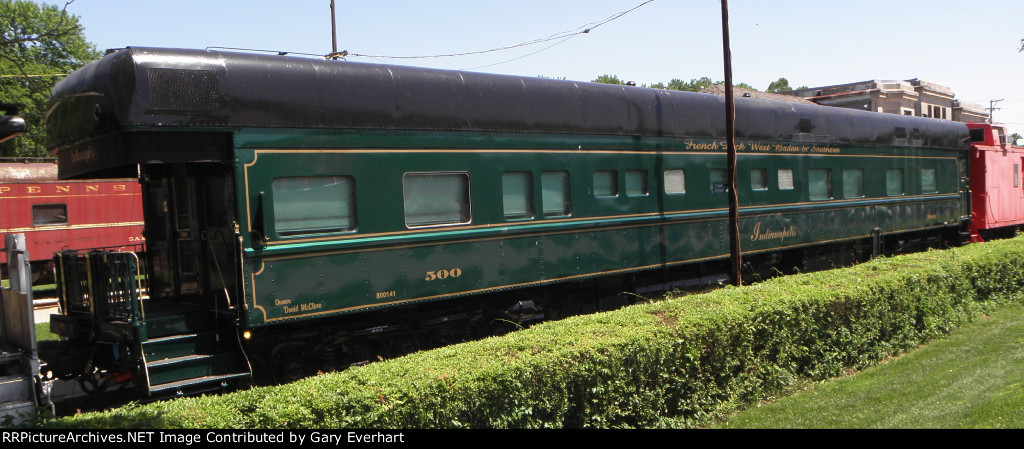
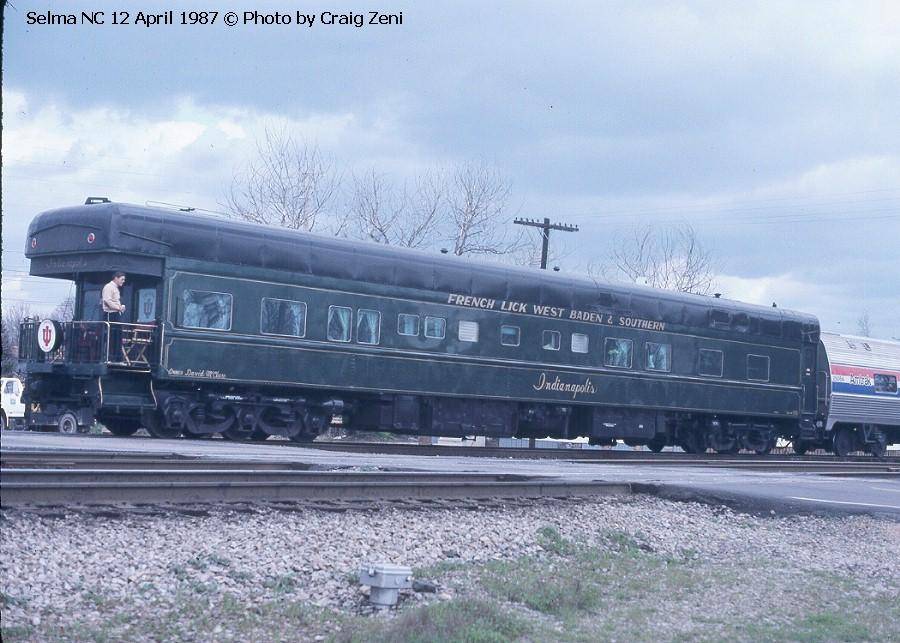
This car was originally built by the Pullman Company in 1913 as a business car for the Seaboard Air Line Railroad carrying the name “Baltimore”. The car was renamed several times by the Seaboard, it held the names Southland and Birmingham. The car was sold by the railroad in the early 1907s. David McClure, a long time member of the Indiana Railway Museum, purchased the car and had it restored and rehabilitated so that it could be used on excursions and be used on Amtrak trains. In 1982 the car took its first Amtrak excursion. Over the following decades the car traveled tens-of-thousands of miles in the US, Mexico and Canada. The Indiana Transportation Museum used the car on steam excursions with Nickel Plate 587. The car is named “Indianapolis” and numbered 500 as a reference to the Indianapolis 500 race. In 2005 the car was retired from excursion service and found its home in French Lick. David McClure would donate the car to the Indiana Railway Museum in 2017.
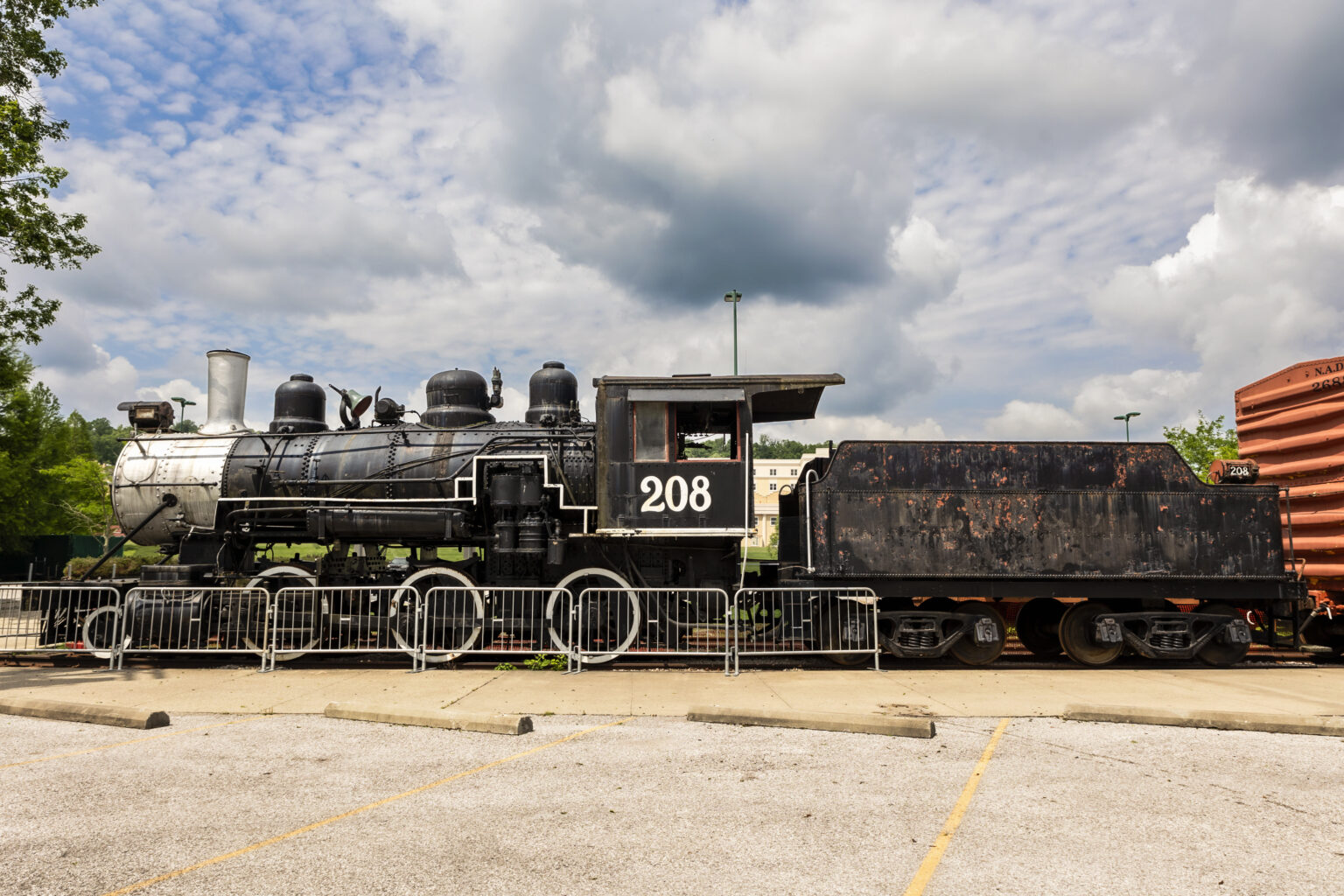
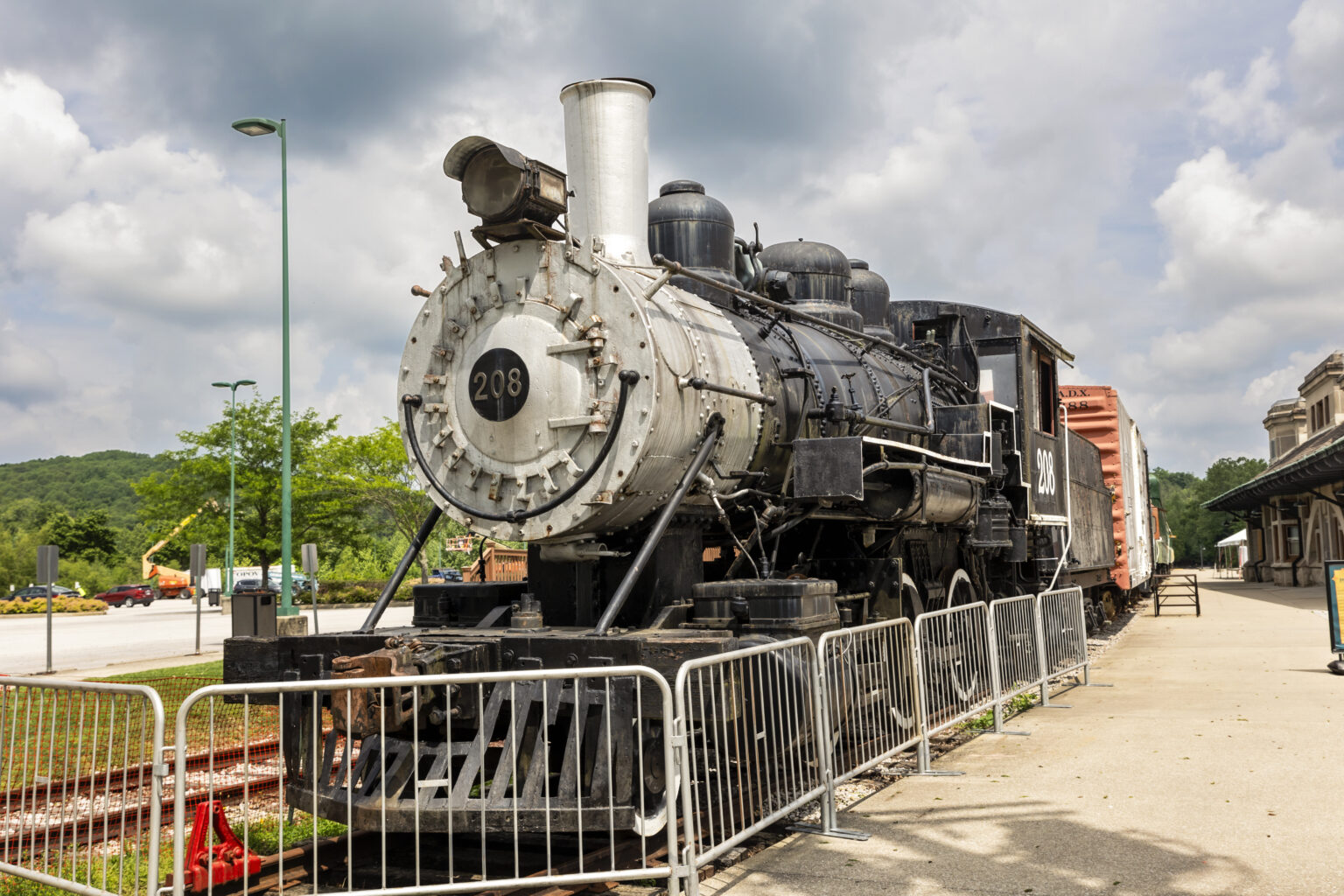
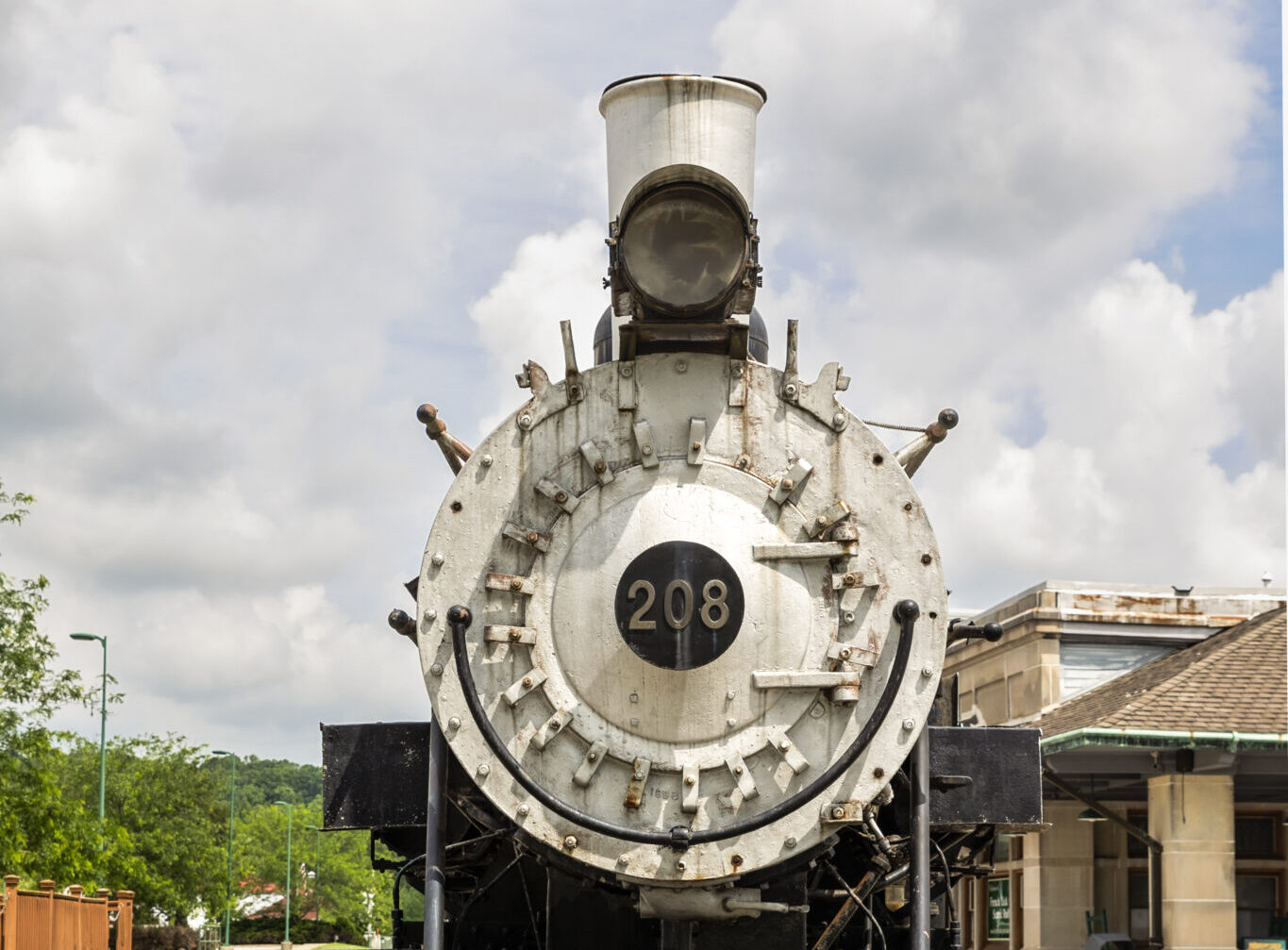
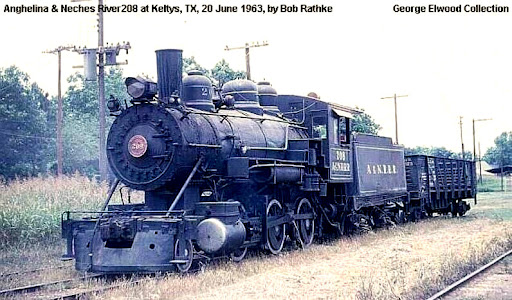
FLWB&S No. 208
Built in August of 1912
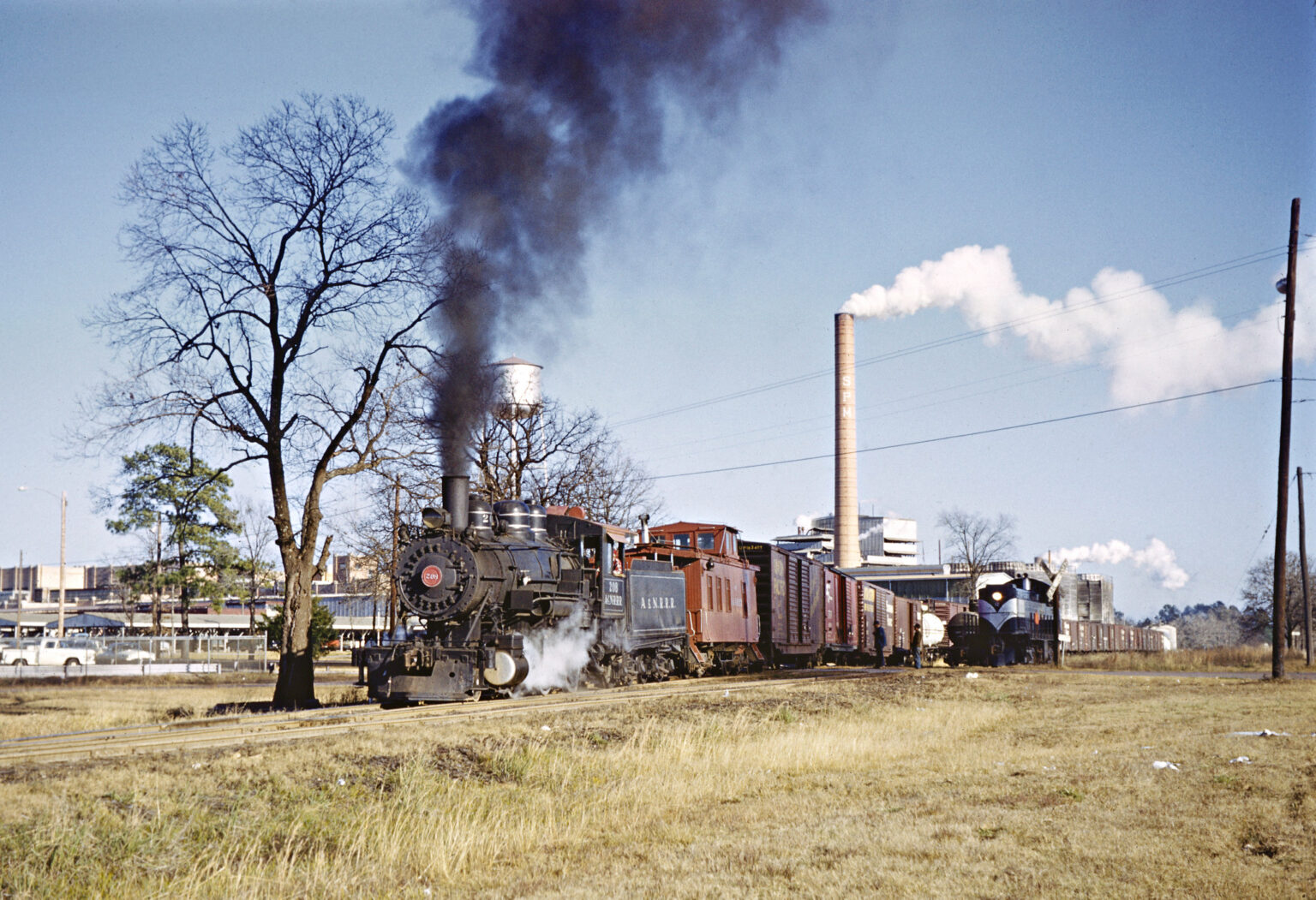
Locomotive 208 is a 2-6-0 mogul type steam locomotive, it was originally built by the Baldwin Locomotive Works in August of 1912 for the Missouri & Louisiana Railroad with the road number of 114. The locomotive was used to haul timber from the sawmill in Neame Missouri. After the sawmill burned down in 1925, the locomotive was moved to Conroe Texas where it would again be hauling timber, but now for the Delta Land & Timber Co. While with the DL&T the locomotive would be re-numbered to 208 which would remain the locomotive’s permanent number. Locomotive 208 would eventually end up serving on the Angelina & Neches River Railroad in Kelty’s, Texas which is where the locomotive spent the majority of its career. After 208 was retired by the Angelina & Neches River Railroad it was purchased by railfans of the Trinity Valley Railway Historical Association. 208 was moved to French Lick in 1986 where it would begin its new life as a museum locomotive pulling passenger trains on the French Lick, West Baden & Southern Railway operated by the Indiana Railway Museum.
French Lick & West Baden was once known as the home to “America’s Laxative”. The Pluto Water slogan was “When nature wont, Pluto will.” At one point in time, 40-50 train cars were used to ship Pluto Water across the country. This “healing” water naturally contained sodium, magnesium sulfate, and lithium which produced a foul odor. This odor prompted people to say that the underworld couldn’t be far away.
Pluto, the Roman God of the Underworld became a staple symbol in our area. Ultimately, Pluto Water sales were stopped in 1971 when lithium became a controlled substance and was no longer allowed to be sold publicly. However, the Pluto symbol remains and can still be found in many areas locally.