
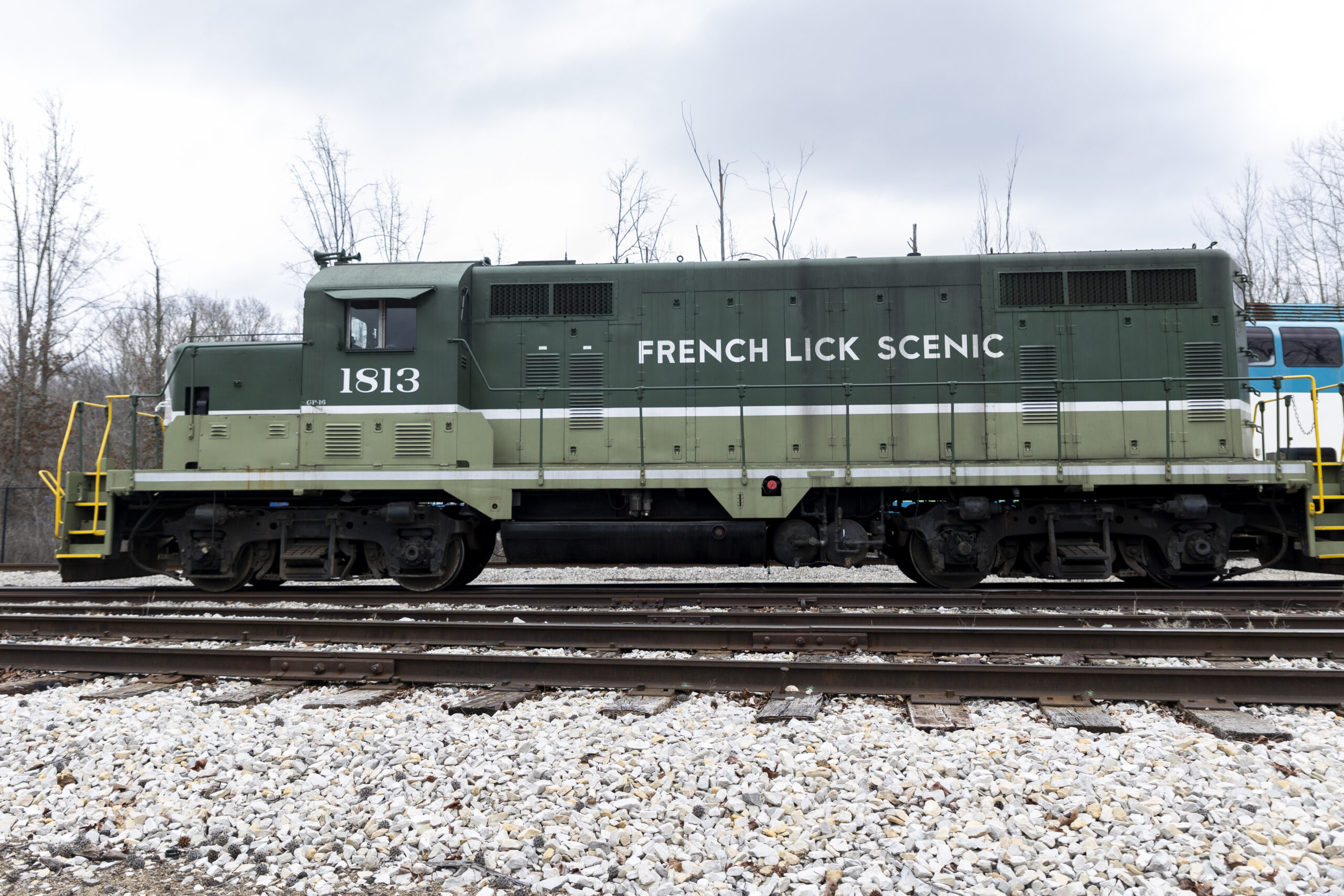
French Lick Scenic Railway 1813
EMD GP16 Built September 1952
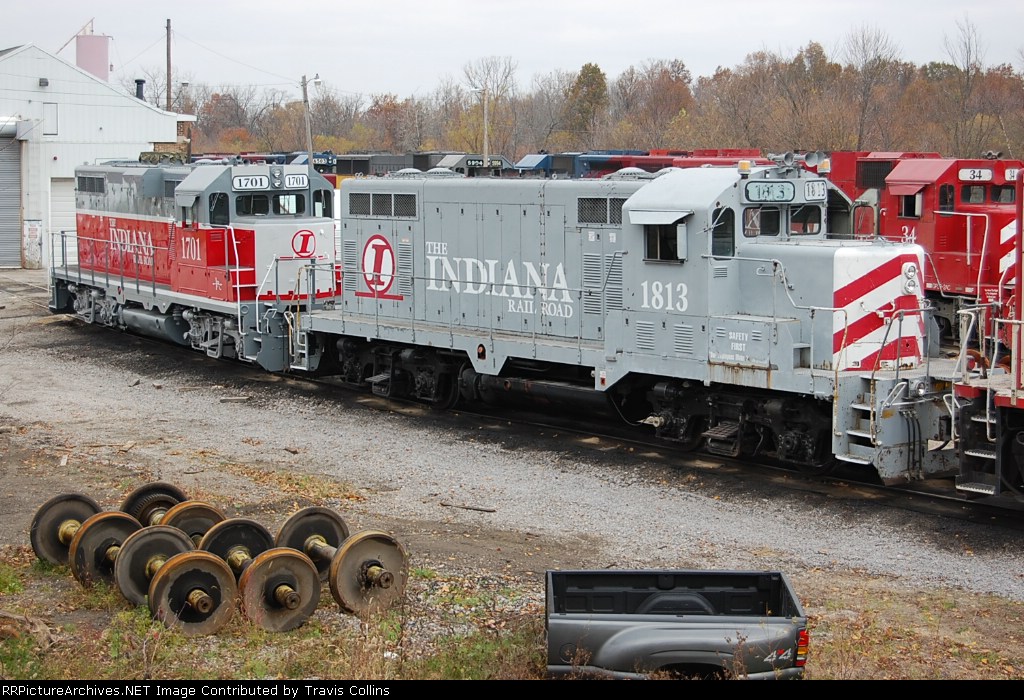
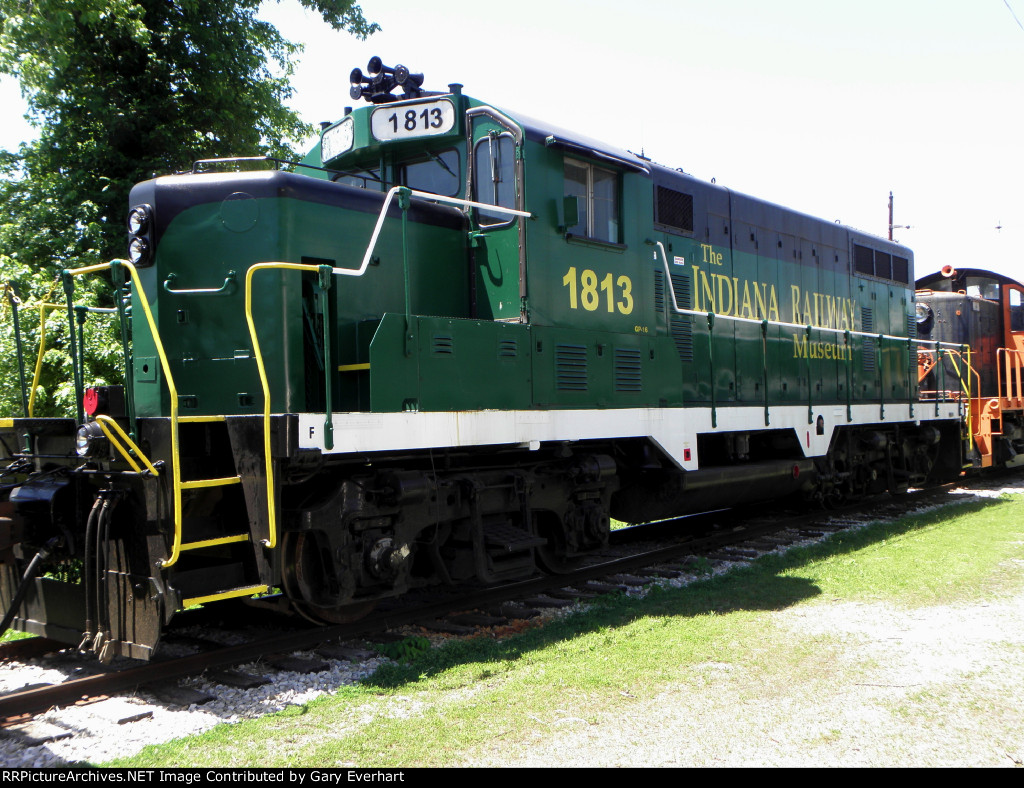
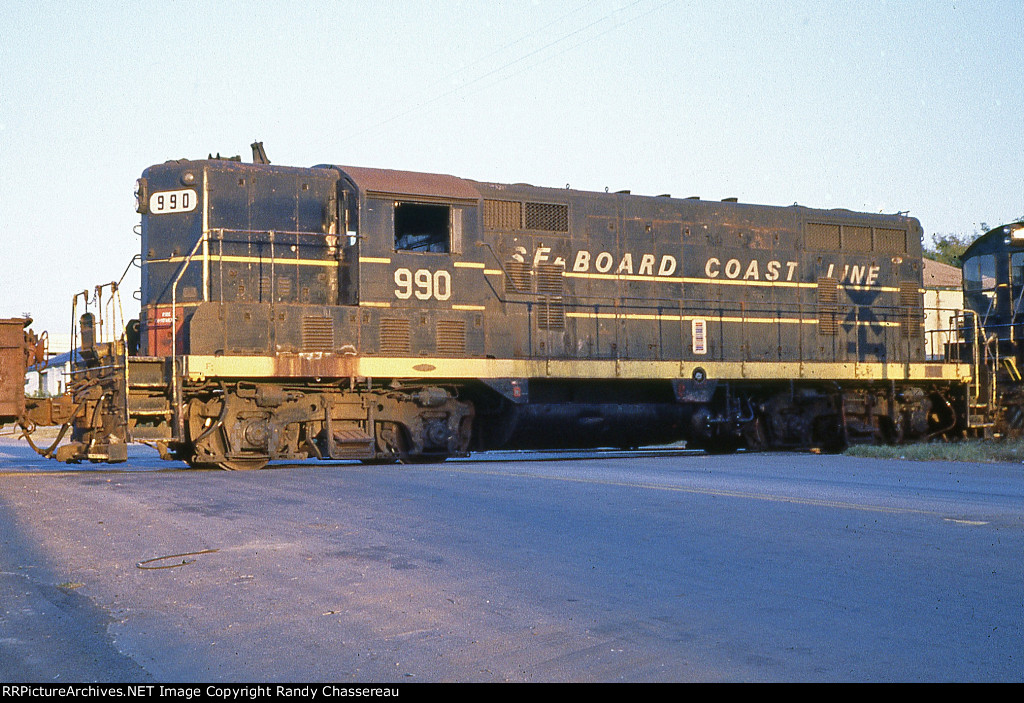
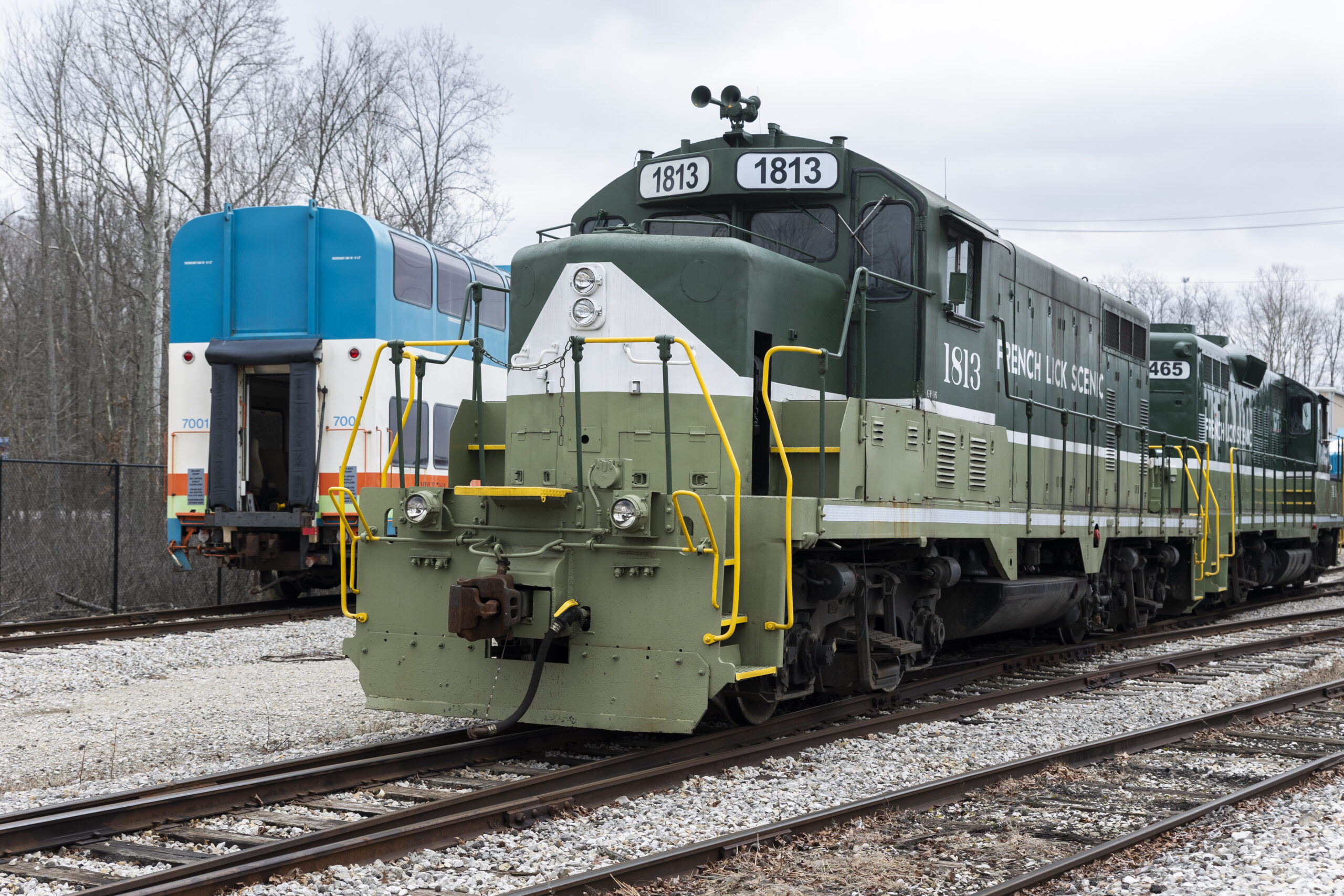
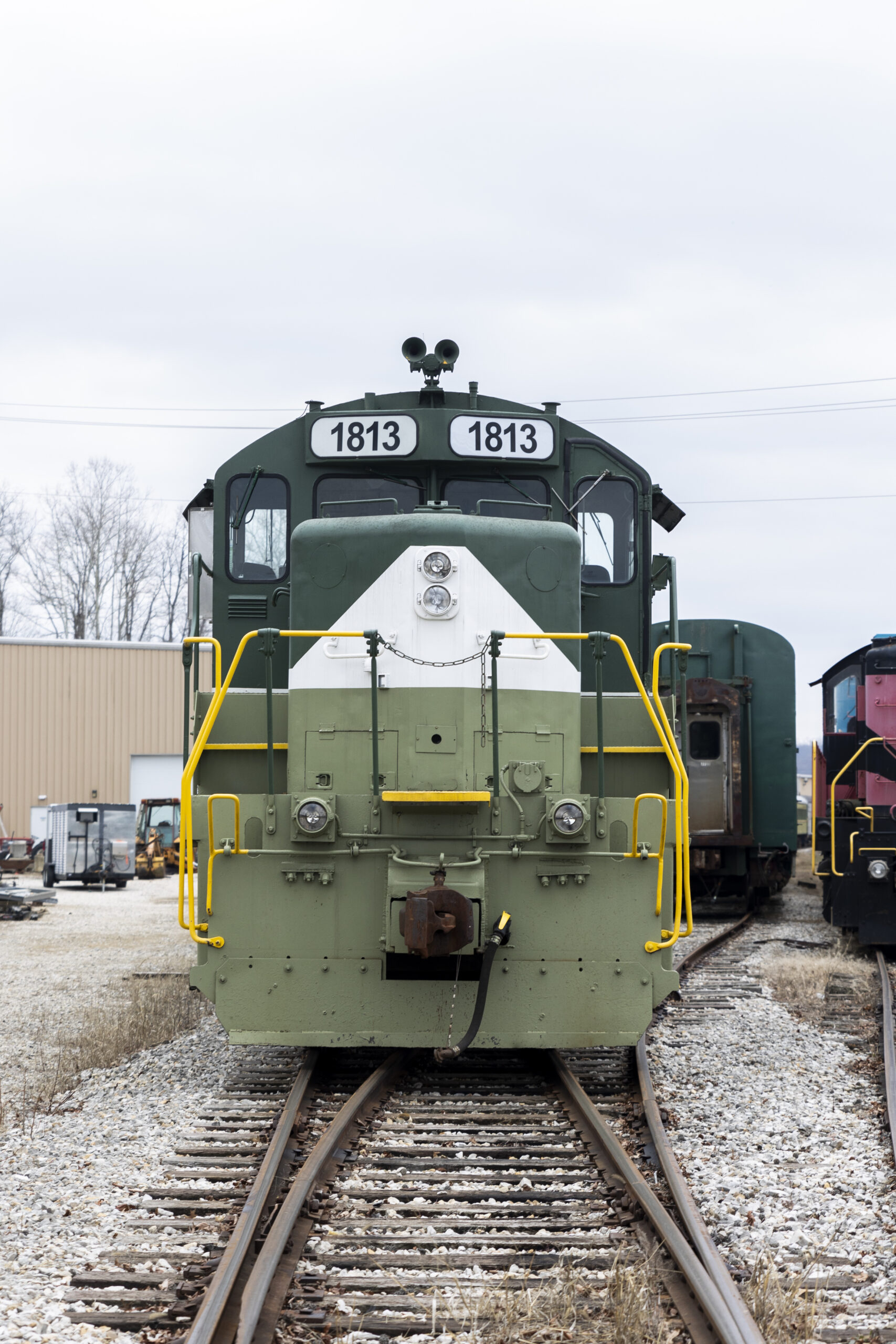
This locomotive was originally built by GM’s Electro-Motive Division in 1952 as a GP7 for the Seaboard Air Line Railroad with the road number of 990. The locomotive would have been used in the South East and East coast of the US hauling freight. The Seaboard Air Line and Atlantic Coast Line Railroads merged to form the Seaboard Coast Line Railroad in 1967, locomotive 990 (1813) would receive a new paint job but would otherwise be unchanged by the merger. Between June 1979 and November 1982 the Seaboard Coast Line would send 155 locomotives to the diesel shops to be rebuilt into GP16 locomotives. The rebuild would include updating the frame, remanufacturing the trucks and traction motors, upgrading the prime mover with new model parts, replacing the cab, removing the dynamic brakes, replacing the control stand, and “chopping” the high hood nose. The rebuild would result in the locomotive gaining more horsepower with a new rating of 1,600hp hence the designation GP16. In 1982 the Seaboard Coast Line would again reorganize this time as the Seaboard System Railroad, with the locomotive this time being renumbered to 4767. The Seaboard System would last less than 4 years until it finally merged with the Chessie System to become CSX in 1986. The locomotive would be renumbered to 1813 by CSX and would keep that number until today. CSX would retire 1813 on February 18, 1993, but this would not be the end of the locomotive’s long career as it would be sold to the Indiana Railroad (INRD) sometime in 1994. Just before the locomotive would turn 60 years old it would be sold to the Indiana Railway Museum in 2011 starting its career pulling passenger trains just as it does today.
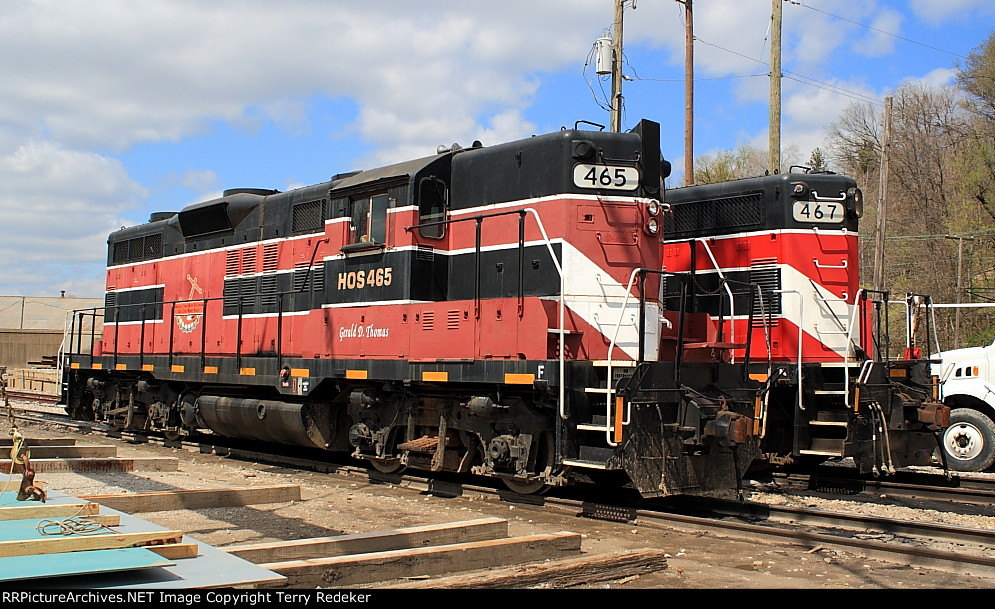
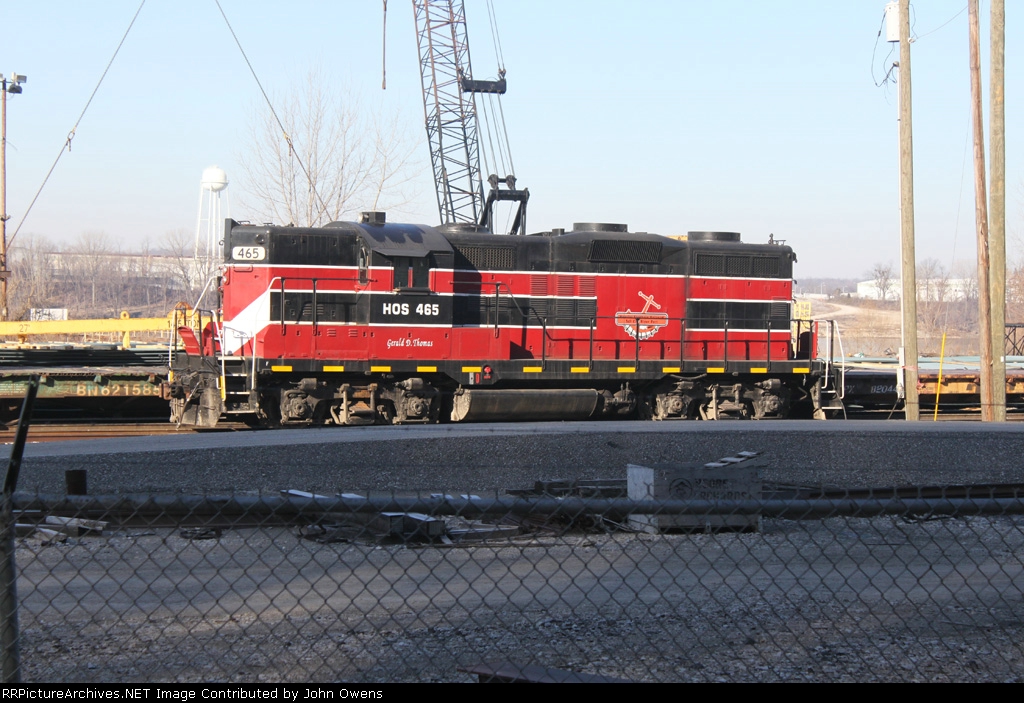
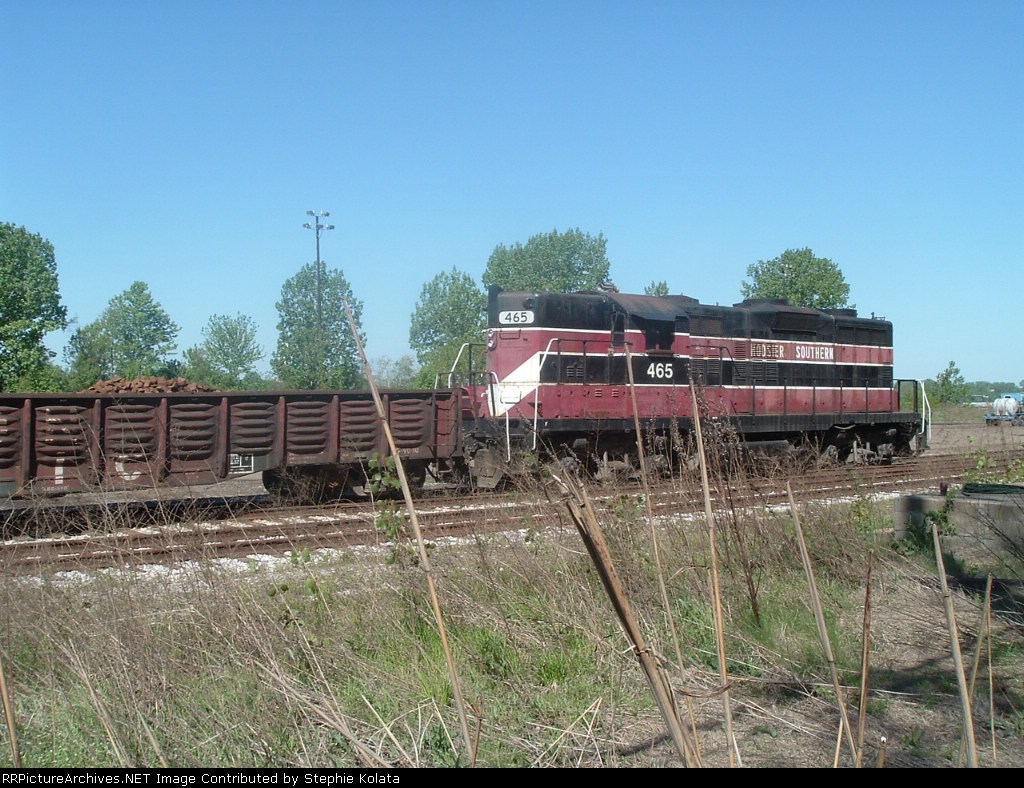
French Lick Scenic Railway 465
EMD GP9 locomotive Built 1959
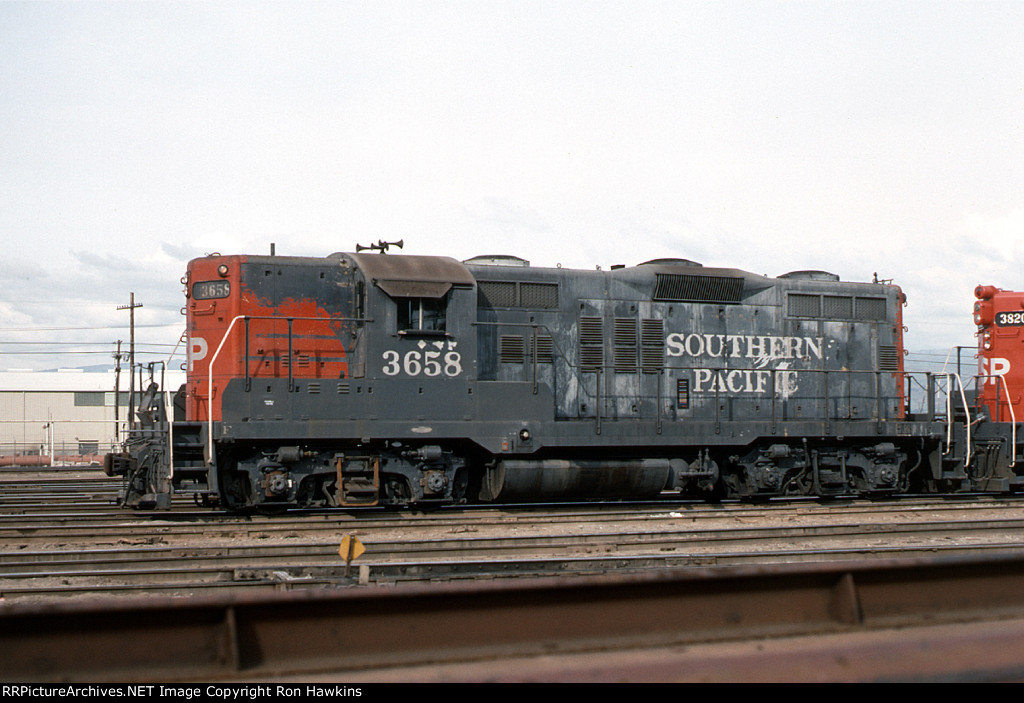
This locomotive was originally built by GM’s Electro-Motive Division in 1959 for the Texas and New Orleans Railroad (a subsidiary of Southern Pacific) with the road number 454. The locomotive would have been used on the TNO system hauling freight until 1961 when the TNO was completely absorbed by its parent company the Southern Pacific Transportation Company or SP. When the locomotive was absorbed with the TNO it was renumbered to 3658. In 1976 the locomotive was rebuilt by SP and continued serving as a freight engine for many years. The locomotive eventually was retired and ended up being purchased by the Hoosier Southern Railroad and re-numbered to 465 which is still the number it operates as today. While on the Hoosier Southern Railroad 465 pulled freight between Tell City and Lincoln City Indiana. In 2018 465 was sold to the Indiana Railway Museum and was cosmetically restored by Crossroads Railcar Services. Once done at Crossroads 465 started operating for the French Lick Scenic Railway pulling passenger trains.
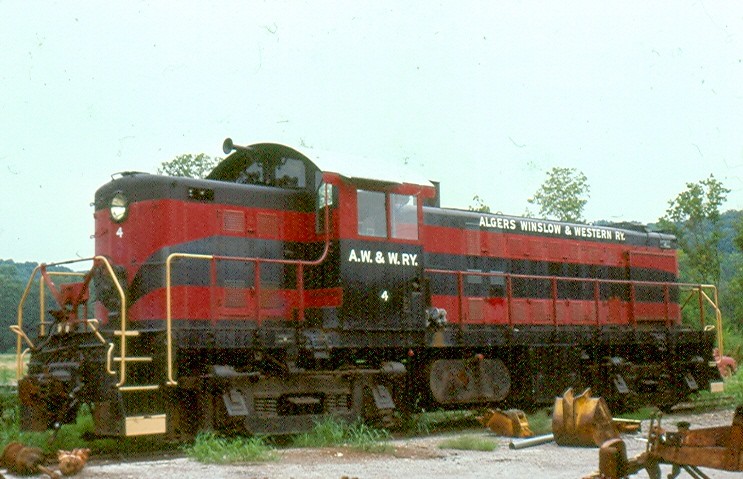
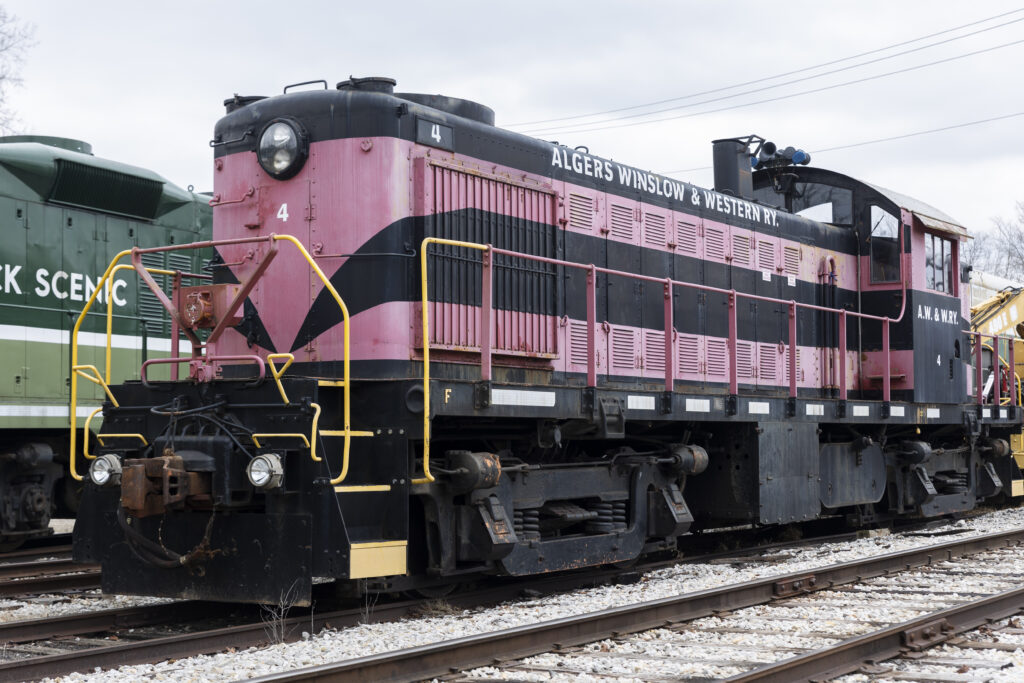
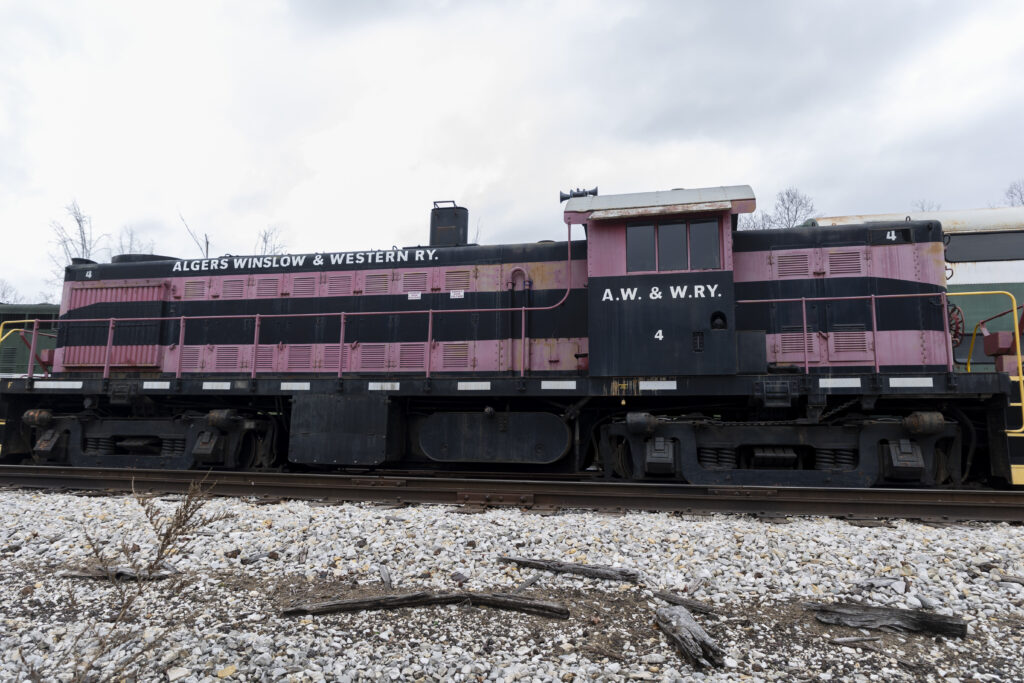
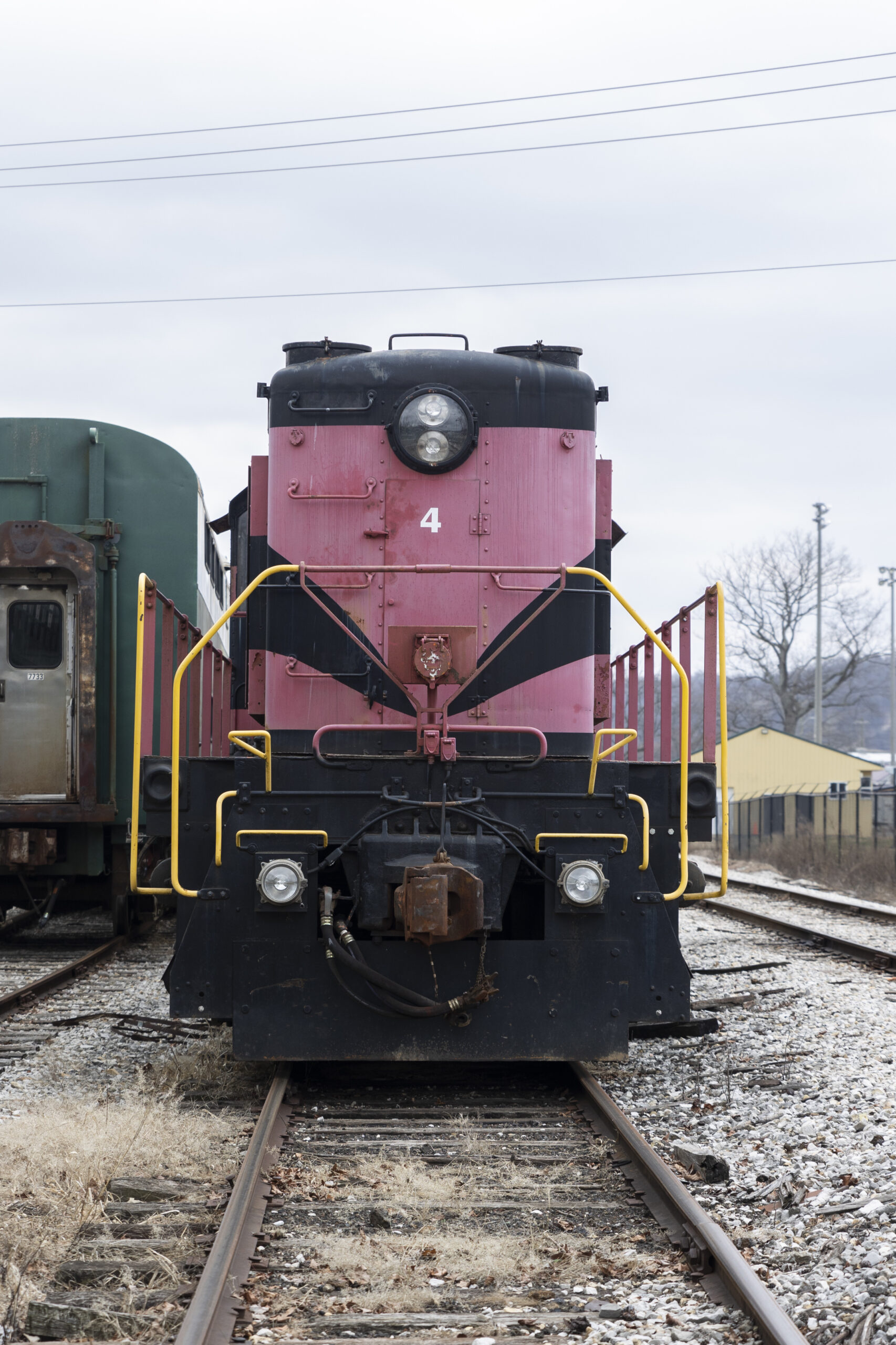
Indiana Railway Museum Locomotive No.4
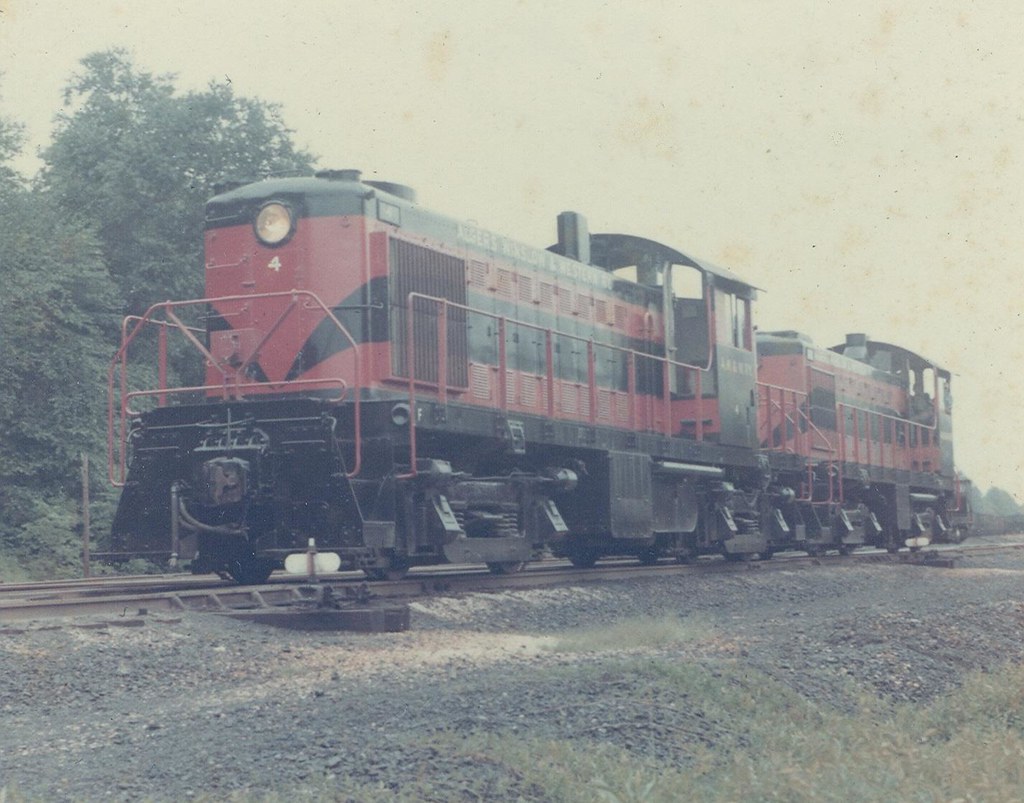
ALCO RS-1 built January 1947
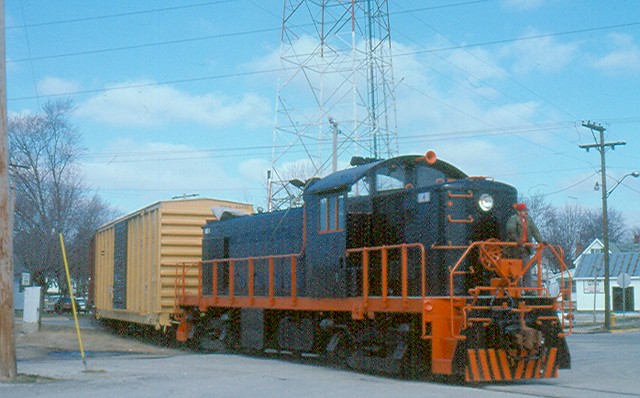
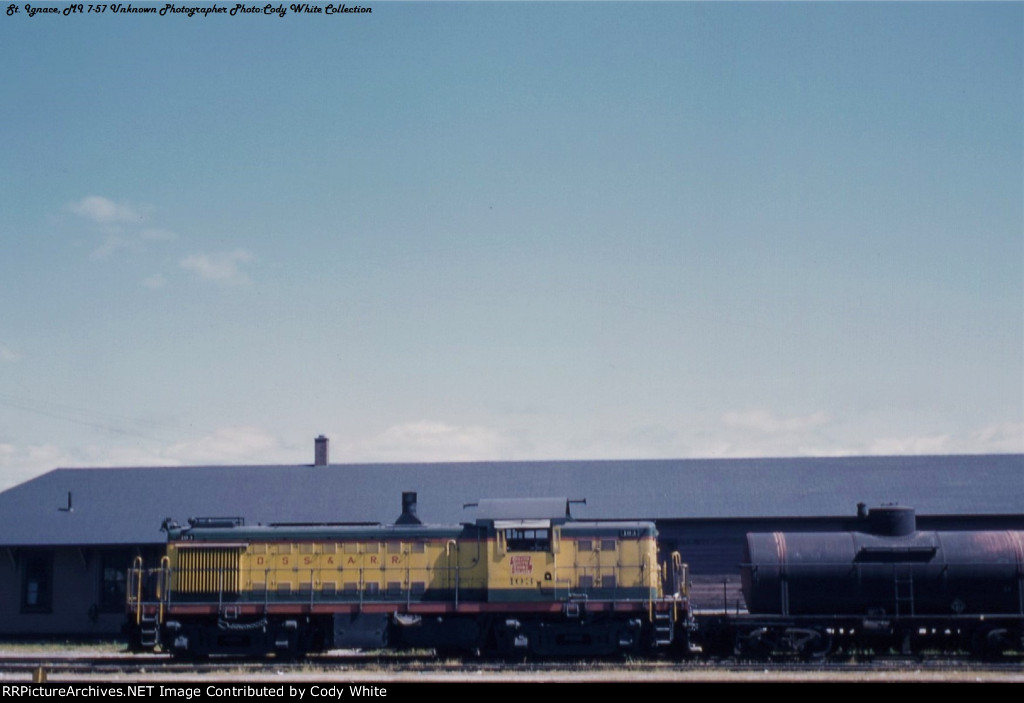
This locomotive was built by the American Locomotive Company or ALCO in January 1947 for the Duluth, South Shore and Atlantic Railway (DSS&A) with the road number of 103. The locomotive would work for the DSS&A hauling freight from the upper peninsula of Michigan along the Lake Superior shoreline of Wisconsin to Duluth. In 1961 the DSS&A would be merged into the Soo Line Railroad, the locomotive would serve on the Soo Line until it was purchased by the Algiers, Winslow and Western (AWW) in 1965. The AWW would send the locomotives purchased from the Soo Line straight to Alco where they were rebuilt before going into service. The locomotive would receive its new road number, No. 4 from the AWW and would serve the surface mining operations in Pike County, Indiana. Locomotive 4 was purchased by the Indiana Railway Museum for use on passenger trains but would occasionally continue hauling freight for the Dubois County Railroad. In 2016 the Indiana Railway Museum would repaint 4 back into the red and black paint scheme of the Algiers, Winslow and Western to show off part of its heritage.
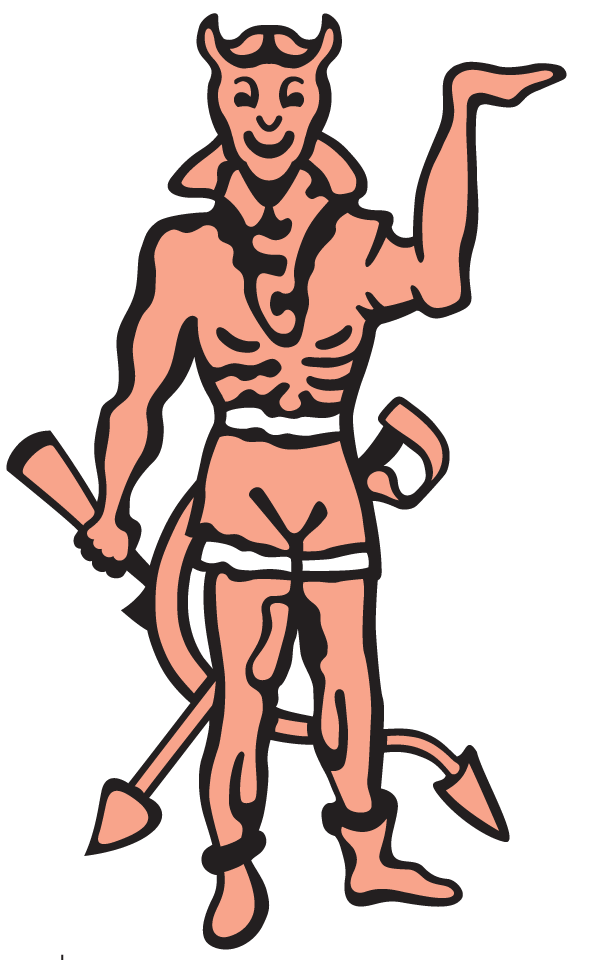
French Lick & West Baden was once known as the home to “America’s Laxative”. The Pluto Water slogan was “When nature wont, Pluto will.” At one point in time, 40-50 train cars were used to ship Pluto Water across the country. This “healing” water naturally contained sodium, magnesium sulfate, and lithium which produced a foul odor. This odor prompted people to say that the underworld couldn’t be far away.
Pluto, the Roman God of the Underworld became a staple symbol in our area. Ultimately, Pluto Water sales were stopped in 1971 when lithium became a controlled substance and was no longer allowed to be sold publicly. However, the Pluto symbol remains and can still be found in many areas locally.